
Culture. Identity. Connection.
Meet the people of Umoja
Umoja Behavioral Health brings together licensed professionals and supervised social work interns with different backgrounds and areas of interest. These introductions offer a starting point for conversations about care, clinical fit, and the services available through Umoja.
Profiles developed from professional records and staff submissions.

Explore 14 team profilesSelect Read profile or + to expand. Select a name to email Umoja.
Licensed clinicians & healthcare professionals
Professional backgrounds and areas of interest.
 Kenny Winfrey
MSW, LCSW, RYT | CEO & Director of Clinical Services
New Mexico LCSW license: C-09298
Culture, identity, meaning, and whole-person psychotherapy
Read profileClose profile
Kenny Winfrey is a licensed clinical social worker, registered yoga teacher, and the founder and Director of Clinical Services at Umoja Behavioral Health. His work brings counseling, cultural reflection, and mind-body awareness into an ongoing conversation about healing and choice. The approach considers each person's experiences, priorities, relationships, and the systems surrounding daily life.
People often seek counseling when something important feels unsettled. They may be coping with grief, trauma, relationship conflict, life transitions, anxiety, or the demands of caring for others. Some arrive with a diagnosis or a clear goal; others want room to explore what is happening before deciding what needs to change. Kenny values being able to start wherever the person is, without requiring them to set aside their culture, spirituality, identity, or personal history to receive care.
Kenny's clinical orientation is informed by social work's person-in-environment perspective, Optimal Psychology, and culturally responsive psychotherapy. Kenny draws on Belief Systems Analysis (BSA), a way of exploring how beliefs and values shape interpretation, relationships, and decisions. Umoja also studies the 31-item Belief Systems Analysis Scale (BSAS) as a structured prompt for reflection. The work of psychologist Linda James Myers informs attention to worldview and the possibilities of more holistic understanding. A questionnaire does not define a person; it can open questions that deserve care and context.
Kenny is also interested in the connection between physical awareness and emotional experience. Through Kemetic Yoga, grounding, breathing, and movement-based reflection, they explore how people may become more attentive to sensation and choice. These practices are adapted to each person's preferences and needs. They are not a requirement for treatment, and they should never replace appropriate medical evaluation or other indicated care.
Umoja also supports people affected by sexual violence and has drawn on the 16 Steps approach to support reflection, autonomy, and community healing. Kenny values therapeutic spaces where people can name what has happened, consider what they need now, and retain ownership of their decisions.
Kenny also sees counseling as a collaborative process that can change as the person changes. Some sessions may involve slowing down to notice feelings, sensations, or assumptions. Others may focus on an immediate problem, a decision, or a resource that could improve day-to-day functioning. They aim to remain attentive to differences in power, culture, and social position and to invite clients to tell them when a question or intervention does not fit. The goal is an accountable relationship in which clients and clinicians can acknowledge difficult realities and still discover choices worth considering.
Kenny's approach presents counseling as an invitation to think together. The work can examine current challenges, recognize existing resources, and identify practical next steps while acknowledging that healing may unfold differently for each person. Prospective clients can ask Umoja about clinical fit, the approaches available, and current referral availability.
Begin intake with Kenny Winfrey by clicking here.
 Jay Blackwell
MA, LPCC | Professional Clinical Counselor
New Mexico LPCC license: CTB-2026-0236
Collaborative counseling, personal meaning, and thoughtful change
Read profileClose profile
Jay Blackwell is a Licensed Professional Clinical Counselor at Umoja Behavioral Health. Jay's work includes counseling, professional consultation, and helping emerging clinicians connect their studies with the practical responsibilities of care. Areas of interest include helping clients find language for their experiences and explore choices in relation to their values, relationships, and goals.
Jay does not assume that two people facing similar circumstances will experience them in the same way. Each person brings a different history, cultural context, way of understanding relationships, and sense of what is possible. In counseling, they value listening with enough care to understand those differences. They also believe that a useful therapeutic conversation should help clarify what is happening now, what someone wants to be different, and what steps may be realistic.
At Umoja, Jay works with a whole-person understanding of behavioral health. Emotional concerns can intersect with health, work, family, identity, spirituality, and community expectations. They are interested in approaches that help clients examine their motivations, identify patterns, and recognize how personal beliefs may shape their responses. Their professional learning and clinical discussions include motivational and narrative approaches, grounding practices, and Optimal Psychology. The approach chosen for a particular client should always fit the client's concerns, preferences, and the clinician's training.
Belief Systems Analysis (BSA) is another part of Umoja's distinctive clinical perspective. Along with the related 31-item Belief Systems Analysis Scale (BSAS), it offers a way to discuss worldview, relationships, meaning, and the beliefs that influence decisions. This work draws on ideas associated with Optimal Psychology and the scholarship of Linda James Myers. Jay views these concepts as opportunities to open conversation rather than to label someone, define their cultural identity, or predict how they should behave.
Jay also contributes to the educational side of Umoja, including support for social work interns, clinical exercises, and the development of group activities. They emphasize consent, appropriate documentation, respectful boundaries, and the distinction between learning a theory and being prepared to apply it in clinical care. The organizational work that supports counseling is part of the experience clients have with Umoja, too.
The beginning of care is also a time to clarify expectations. Jay wants to know which concerns feel urgent, what someone has tried before, and whether there are approaches they do not want to use. In supervision and clinical education, they often emphasize the importance of matching words with action: when clients and clinicians set a goal together, they should be able to return to it, evaluate whether it remains useful, and change course when needed. Listening and reflection are important, and so is having a practical way to recognize progress without measuring everyone by the same standard.
Jay's approach emphasizes a collaborative relationship in which clients can ask about the counseling process, express disagreement, and help shape the direction of sessions. The aim is to keep client choices central while making sense of change. Umoja can clarify current services, professional roles, and referral availability during intake.
Begin intake with Jay Blackwell by clicking here.
 Dr. Lisa M. Taylor
DNP, MPH, FNP-BC | Family Nurse Practitioner
New Mexico CNP license: CNP02168
Whole-person health, public health, and community partnership
Read profileClose profile
Dr. Lisa M. Taylor is a family nurse practitioner with a Doctor of Nursing Practice, a Master of Public Health, and board certification as a family nurse practitioner. Dr. Taylor's professional work connects clinical care, nursing education, public health, and community service. Areas of interest include understanding health within the circumstances of people's lives and making care easier to understand, access, and navigate.
Health is rarely separate from the rest of life. Work schedules, housing, family responsibilities, culture, finances, relationships, and prior encounters with healthcare can influence the options someone believes are available. Dr. Taylor values an approach that listens to those experiences and helps people make informed choices. Whether someone is seeking information, prevention, or clinical support, they should be treated as a partner in understanding their needs.
Dr. Taylor's professional interests extend beyond individual appointments. In New Mexico, Dr. Taylor has taken part in community efforts that bring healthcare professionals, educators, students, and residents together around Black health and wellness. These collaborations have included NM Black Wellness, community health initiatives connected to the University of New Mexico, and broader civic conversations about health priorities. They believe service has greater value when it responds to what communities identify as important rather than assuming that professionals already have all the answers.
Education and mentorship are also meaningful parts of their work. Dr. Taylor appreciates opportunities to support students and newer healthcare professionals as they learn the responsibilities of their fields. Clinical knowledge matters, and so does the ability to communicate clearly, recognize a boundary, and work respectfully with colleagues and community partners. Those skills can shape whether people experience healthcare as something done to them or as something they can actively participate in.
Umoja Behavioral Health's whole-person philosophy makes room for consideration of beliefs and lived experience. The agency studies Belief Systems Analysis (BSA) and the related 31-item Belief Systems Analysis Scale (BSAS), informed by Optimal Psychology and the work of Linda James Myers. Dr. Taylor values the broader question those frameworks raise: how do a person's beliefs, values, and relationships shape their experiences with care?
Dr. Taylor's public health work has also taught them the importance of trust and understandable information. A referral or recommendation is useful only when a person knows what it is for and has a realistic path to using it. This is why Dr. Taylor values collaboration among healthcare disciplines and community partners. Mental health and physical health can affect one another, but good care requires knowing the responsibilities and limits of each professional. They are interested in helping people see those connections and understand which clinician or service may be most appropriate for the question they are bringing.
Prospective clients can ask Umoja about Dr. Taylor's background and the services currently available through the organization. A respectful healthcare relationship begins with clear expectations, attention to the individual, and an understanding of health within community life.
Begin intake with Dr. Lisa M. Taylor by clicking here.
 Dèsa Karye Daniel, PhD
PhD, LMHC (New Mexico), LPCC (Colorado), NCC
New Mexico LMHC license: CMH0191981
Colorado professional counselor candidate: LPCC.0023756
Liberation-based counseling, identity, relationships, and survivor-centered care
New referrals after January 15, 2027.Read profileClose profile
Dèsa Karye Daniel, PhD, is a mental health counselor with Umoja Behavioral Health. Dèsa holds the LMHC credential in New Mexico, the Licensed Professional Counselor Candidate (LPCC) credential in Colorado, and the National Certified Counselor credential. Their work attends to the emotional, relational, and cultural contexts of people’s experiences through thoughtful, collaborative care. Starting or returning to counseling can feel intimidating. Dèsa welcomes people who feel stuck, overwhelmed, anxious, or uncertain about where to begin.
Dèsa’s approach is rooted in empathy, collaboration, and respect for each person’s lived experience. Counseling begins with listening to the client’s priorities, whether those involve understanding a difficult experience, addressing relationship patterns, managing stress, or finding words for a story that has remained untold. Careful assessment and ongoing conversation help shape a supportive space and a shared direction for the work.
Questions of identity, family, community, spirituality, and cultural meaning can be explored without assuming what those experiences mean to an individual. As a liberation-based therapist, Dèsa recognizes systemic injustices, attends to intersecting identities, and approaches care with cultural humility and a commitment to social justice. Their experience includes supporting Black, Arab, Muslim, queer and trans, non-monogamous, immigrant, first-generation, and other BIPOC clients. Their work also includes supporting survivors of childhood sexual abuse and religious trauma, as well as people experiencing depression and hopelessness.
At Umoja, Dèsa provides counseling and contributes to survivor-centered care related to sexual assault. This work prioritizes choice, privacy, pacing, and respect for what a person chooses to share. Dèsa aims to honor strength and vulnerability together, recognizing resilience while attending to distress and needed supports. Clients can explore their strengths and inner experiences with kindness, develop a more compassionate response to self-criticism, and consider how their relationship with their body and different parts of themselves affects well-being.
Dèsa values consultation, education, and thoughtful professional practice. Their participation in Umoja’s supervision and learning environment includes attention to ethical decision-making, culturally responsive assessment, and respectful collaboration across worldviews. They study Belief Systems Analysis (BSA), developed by Linda James Myers, and its accompanying 31-item Belief Systems Analysis Scale (BSAS). These perspectives invite exploration of how beliefs and values shape meaning. Dèsa considers tools and frameworks alongside each person’s story and individualized clinical assessment.
Prospective clients are welcome to bring questions, uncertainty, and their own priorities to the intake conversation. Dèsa’s invitation is to explore whether the counseling relationship and available services feel like a useful fit. Their work emphasizes respect, clear information, personal choice, and space for clients to reconnect with their sense of self and consider the changes they want to make.
Begin intake with Dèsa Karye Daniel, PhD by clicking here.
Supervised MSW interns
Student clinicians develop their practice through education, feedback, and supervision.
Jacob Chavez
MSW Practicum Student | Supervised
Strengths-based counseling, trauma-informed learning, and systems perspective
Read profileClose profile
 MSW programNew Mexico Highlands University
Jacob Chavez is a Master of Social Work practicum student at Umoja Behavioral Health. Jacob is developing clinical skills in a supervised setting that emphasizes careful listening, respect for the whole person, and collaboration with clients. Areas of interest include understanding a person's concerns alongside their priorities, previous sources of support, and possibilities for meaningful progress.
Social work has encouraged them to think about personal concerns within their wider context. Relationships, family responsibilities, finances, social expectations, housing, health, and community resources can all influence what daily life feels like. In a helping relationship, Jacob wants to learn to recognize these influences without assuming that everyone experiences them in the same way. They believe clients should have a strong voice in identifying the problems they want to address and in choosing goals that make sense to them.
Jacob's practicum learning has included strengths-based and person-in-environment perspectives, trauma-informed engagement, attachment concepts, cultural humility, and the responsibilities involved in clinical assessment. Jacob is studying how to balance empathy with careful evaluation. This includes paying attention to what someone reports, what a clinician observes, and what remains uncertain. They also continue to develop skills in documentation, treatment planning, and using research and supervision to improve their practice.
Jacob has an interest in how individual care connects with advocacy, group work, and community programs. An effective response may involve a counseling conversation, a referral, help understanding a resource, or an effort to address a barrier that makes care harder to obtain. Learning how those pieces fit together is part of their professional development. They have also been exploring the possibilities of nature-connected group activities, while recognizing that any such service would require appropriate planning and supervision before being offered.
At Umoja, Jacob is studying Belief Systems Analysis (BSA) and the accompanying 31-item Belief Systems Analysis Scale (BSAS). These tools draw attention to the beliefs, values, relationships, and sources of meaning that people bring to their experiences. Related ideas from Optimal Psychology and the scholarship of Linda James Myers encourage them to ask how culture and worldview can matter in care. Jacob studies these concepts through supervised clinical learning.
Jacob is especially interested in the first stages of building a helpful relationship. An effective opening includes explaining the role of supervision, giving someone time to name their concerns, and not treating the intake form as the whole story. People may be uncertain about their goals or change their minds as they talk. They want to become skilled at recognizing those shifts and working with clients to describe goals that are meaningful and achievable. When a concern calls for expertise or resources beyond their role, seeking supervision and appropriate coordination is part of acting responsibly.
Prospective clients can ask Umoja about Jacob's preparation, supervised role, and the services available through the practicum. Initial conversations can focus on the person's priorities while explaining supervision and expectations for care. Current referral availability and the appropriate clinical match are confirmed with Umoja during intake.
Begin intake with Jacob Chavez by clicking here.
Jacob “Jake” Booth
MSW Practicum Student | Supervised
Integrative therapy learning, cultural humility, and reflective group work
Read profileClose profile
MSW programNew Mexico Highlands University
Jacob Booth, who also goes by Jake, is a Master of Social Work practicum student at Umoja Behavioral Health. Jake's professional interests include the connections among relationships, worldview, personal meaning, and mental wellness. Clinical skills are being developed in a supervised setting. Prospective clients can ask Umoja about the student clinician's role, preparation, and supervision.
Jake believes that people's experiences deserve to be understood in context. Challenges with relationships, family, identity, spirituality, or community expectations can overlap in ways that do not fit neatly into one explanation. They are interested in learning how to create a space for that complexity while staying attentive to what someone needs now. The questions clinicians ask in care should make room for a person's lived experience rather than pressure them to adopt a clinician's interpretation.
Jake's practicum studies include integrative counseling perspectives, with attention to cognitive-behavioral, narrative, and psychodynamic concepts. Jake is interested in how these approaches compare, where they differ, and how a clinician chooses a method that fits a specific person's goals. They also study ethical practice, confidentiality, documentation, and the use of research and supervisory feedback. Jake develops these skills through study, practice, and supervisory feedback.
At Umoja, Jake is learning about Belief Systems Analysis (BSA), informed by Optimal Psychology and the work of Linda James Myers, and the accompanying 31-item Belief Systems Analysis Scale (BSAS). The framework invites questions about relationships, harmony, self-understanding, knowledge, and community. They are interested in how people use these ideas to understand their lives, particularly when they are holding values or experiences that appear to be in tension. They see the scale as a prompt for reflection, not a diagnosis or a ranking of people.
Jake's learning also connects counseling with the outdoors, community relationships, and group development. Jake has been exploring how nature-connected activities and reflective discussions might support future supervised group work. They are interested in making those ideas practical and accessible while remaining clear about what is currently being planned versus what services are already offered. Work on intake systems and program research has also shown them how much thoughtful preparation matters.
Jake is especially curious about how people navigate situations in which two important values seem to conflict. Someone may value independence and community at the same time, or want change while also fearing the loss of a familiar identity. They are learning how to use both-and reasoning and reflective questions to explore these tensions without making the decision for another person. A helping conversation can recognize complexity while still arriving at concrete next steps. This interest informs their study of integrative theory, group practice, and the ethical use of a clinician's own perspective.
Jake's approach emphasizes respect, curiosity, and clear expectations at the beginning of a helping relationship. Clients can describe experiences in their own words and participate in identifying goals. Questions about the student role, available services, and supervision can be discussed with Umoja when considering whether the placement offers an appropriate fit.
Begin intake with Jacob “Jake” Booth by clicking here.
Stacey Steiner
MSW Practicum Student | Supervised
Chronic pain, grounding, and culturally responsive mind-body learning
Read profileClose profile
MSW programNew Mexico Highlands University
Stacey Steiner is a Master of Social Work practicum student at Umoja Behavioral Health. Stacey's interests include the connections between emotional well-being, physical experience, personal meaning, and the environments in which people live. Stacey's practicum connects clinical study with supervised practice.
Chronic pain and chronic illness are important areas of interest in their training. Symptoms that others cannot easily see can affect a person's daily routine, relationships, sense of identity, and experience of safety. Stacey wants to develop ways of listening that take physical suffering seriously without assuming that it has a simple psychological explanation. A whole-person perspective asks how emotional experience, healthcare access, community support, and practical circumstances interact, while still recognizing the importance of appropriate medical care.
Stacey's studies have included grounding, breath awareness, nervous-system psychoeducation, and practices that connect movement with reflection. At Umoja, Stacey has explored the Grounded, Centered, Engaged approach, culturally grounded wellness practices, and concepts related to Kemetic Yoga. They are interested in how such activities can be explained clearly and adapted thoughtfully. The needs and preferences of the person matter, and consent, accessibility, and medical considerations should guide whether an activity is appropriate.
Stacey is also studying counseling perspectives that consider meaning and relationships, including person-centered ideas associated with Carl Rogers and existential approaches associated with Viktor Frankl. They are interested in how clinical theories can help people identify what matters to them without prescribing what those values should be. Their developing work includes attention to trauma-related assessment, cultural humility, and the strengths and limitations of standardized measures across different populations.
Belief Systems Analysis (BSA) is an important part of Umoja's learning environment. Informed by Optimal Psychology and the work of Linda James Myers, BSA and the accompanying 31-item Belief Systems Analysis Scale (BSAS) invite inquiry into how people experience relationships, cultural meaning, and personal beliefs. Stacey is learning to use these ideas as questions for reflection, not labels or measures of clinical ability.
Stacey also enjoys thinking about how supportive group activities and community programs might be designed, including nature-connected practices and education for people navigating long-term health concerns. These ideas are part of supervised study and development.
When pain or illness is ongoing, Stacey thinks it is particularly important not to confuse being able to describe a symptom with knowing what causes it. People deserve to have their reports taken seriously, including times when a medical explanation is incomplete or still being evaluated. They are learning to ask about the impact of symptoms on movement, sleep, relationships, and routines, and to recognize when a referral or further assessment is appropriate. In a supervised setting, they also want to practice offering grounding options without creating pressure to participate or suggesting that an exercise guarantees relief.
Stacey's approach emphasizes taking people's experiences seriously and allowing preferences to guide the work. Prospective clients can ask Umoja about the supervised student role, approaches currently available, and whether the services fit their needs. Interests described here represent ongoing education and development within the practicum.
Begin intake with Stacey Steiner by clicking here.
Jordyn Nez
MSW Practicum Student | Supervised
Survivor-centered group work, maternal mental health, and relational care
Read profileClose profile
MSW programNew Mexico Highlands University
Jordyn Nez is a Master of Social Work practicum student at Umoja Behavioral Health. Jordyn's interests include connection, the understanding of difficult experiences, and goals that have personal meaning. Social work training considers individual strengths alongside relationships, cultural context, community resources, and the practical realities people face. Jordyn’s current practicum term runs from May 11 through December 11, 2026.
Jordyn is particularly interested in survivor-centered group work. A group can offer opportunities to recognize shared experiences, hear different perspectives, and practice new ways of responding to challenges. At the same time, each participant brings a different history and a different level of comfort with sharing. They believe that respectful group work requires clear boundaries, attention to privacy, and the freedom to participate at one's own pace. Their supervised learning at Umoja has included the 16 Steps curriculum, group preparation, and reflection on how facilitators support choice and emotional safety.
Another area of professional interest is maternal and perinatal mental health. Experiences related to pregnancy, parenting, caregiving, and changes in family life can affect people's emotional and social well-being. Jordyn is learning about the resources and approaches available to support people during these transitions and about the ways care can respect individual and family circumstances. This work is part of Jordyn's research and professional development.
At Umoja, Jordyn is also studying Belief Systems Analysis (BSA) and the related 31-item Belief Systems Analysis Scale (BSAS). These frameworks invite reflection on relationships, worldview, values, and sources of meaning. Informed by Optimal Psychology and the scholarship of Linda James Myers, this perspective encourages attention to what a person believes and experiences without assuming that cultural identity determines individual choices. They are learning how to ask careful questions and recognize the limits of any assessment tool.
Jordyn's broader practicum includes mock sessions, documentation practice, group facilitation preparation, and learning how to respond respectfully when difficult issues arise. Jordyn is interested in developing the ability to listen with care, accept feedback, and remain clear about their role and responsibilities. Supervision is an essential part of this learning process.
Jordyn's interest in supportive groups includes the practical details that help participants know what to expect. Clear invitations, a thoughtful opening, meaningful activities, and a respectful closing can make a difference in how a group feels. Participants may want connection without disclosure, reflection without advice, or an opportunity to listen before speaking. Jordyn is learning how facilitators can make those possibilities available while recognizing when someone needs additional support. To them, a group's strength is not measured by how much participants reveal, but by whether its boundaries and activities serve their needs.
Jordyn's training emphasizes welcoming, respectful care that gives attention to each person's choices, concerns, and hopes. Prospective clients can ask Umoja about the supervised student role and available services. Interests in group work and maternal mental health describe areas of learning rather than independent specialty credentials.
Begin intake with Jordyn Nez by clicking here.
Carolyn Benally
MSW Practicum Student | Supervised
Youth, Diné cultural responsiveness, rural access, and survivor support
Read profileClose profile
MSW programNew Mexico Highlands University
Carolyn Benally is a Master of Social Work practicum student at Umoja Behavioral Health. Carolyn's background includes behavioral health work with children and adolescents. Continuing education connects that experience with clinical social work, with particular interest in culturally responsive services for young people, families, survivors, and people living in rural communities.
Working with youth has encouraged them to pay attention to the many settings in which their lives unfold. A young person may be navigating school expectations, relationships with caregivers, concerns about identity, community pressures, or difficult emotional experiences. Carolyn wants to develop an approach that listens to the young person's perspective while carefully considering development, family context, safety, and the supports available to them. They believe assessment should begin with curiosity rather than with assumptions based on age, background, or a first impression.
Carolyn's cultural background and professional interests connect them to Diné communities and the realities of accessing services in rural areas. Language, transportation, professional availability, and trust in systems can all influence whether someone feels able to seek support. Carolyn is interested in how culturally grounded advocacy and resource navigation can help bridge these gaps. At the same time, people within the same community have different beliefs, priorities, and needs. Cultural knowledge should support good questions, not replace them.
Carolyn's practicum learning also includes survivor-centered care, boundaries between advocacy and clinical work, and age-appropriate responses to trauma-related concerns. Carolyn has been studying how grounding, appropriate referral, and supportive engagement can help people feel oriented while more complex assessment and planning are approached carefully. They are also interested in accessible movement and wellness opportunities for older adults, with attention to consent and individual needs. These are areas of supervised learning and development.
Belief Systems Analysis (BSA), informed by Optimal Psychology and the work of Linda James Myers, is part of their studies at Umoja. The accompanying 31-item Belief Systems Analysis Scale (BSAS) invites reflection on worldview, relationships, community, knowledge, and meaning. Carolyn is learning how these concepts can guide inquiry without turning a cultural framework into a diagnostic label or a judgment about someone's values.
Carolyn is also interested in the distinctions among advocacy, language assistance, and counseling. These activities can support one another, particularly in rural settings where people may know each other through several roles. Still, clients need to understand who is providing which service, what information is confidential, and when a referral or different professional is appropriate. Their continued study asks how cultural knowledge can be offered with humility and how strengths can be recognized without overlooking safety, access, or practical needs. Those questions are central to the kind of social worker they hope to become.
Carolyn's continuing training centers on attentive conversations and respect for people's own understanding of their lives. Prospective clients can ask Umoja about preparation, the supervised MSW student role, and the services currently available. Supervision and appropriate referral remain part of providing care within the practicum's responsibilities.
Begin intake with Carolyn Benally by clicking here.
Andrew M. Edwards
MSW Intern | Supervised
Motivational interviewing, social justice, and resource navigation
Read profileClose profile
 MSW programWestern New Mexico University
Andrew M. Edwards, who also goes by Andy or Drew, is a supervised Master of Social Work intern with Umoja Behavioral Health. Their current internship continues through May 2027. Andrew holds degrees in criminal justice and sociology, with a minor in philosophy, and is continuing their education through an MSW program. These perspectives inform an interest in the personal challenges people face and the societal barriers that may affect their choices.
Andrew’s developing clinical approach brings together study of Belief Systems Analysis (BSA), motivational interviewing, and cognitive behavioral therapy (CBT). Motivational interviewing invites people to consider their own reasons for change, including situations in which they feel uncertain or pulled in different directions. CBT examines relationships among thoughts, emotions, and behavior. Andrew is learning how to connect these approaches with each person’s goals through clinical practice, feedback, and supervision.
At Umoja, Andrew is deepening their understanding of BSA and Optimal Psychology through Linda James Myers’ work and continued reading of From Mind to Matter. Their studies include the accompanying 31-item Belief Systems Analysis Scale (BSAS) and reflection on worldview, values, relationships, and personal meaning. Andrew is also exploring Kemetic philosophy as part of their learning about whole-person approaches to care.
Their internship activities include contributing feedback to the development of a clinical workbook that brings together BSA, motivational interviewing, and Kemetic philosophy. Andrew participates in an intern support group and uses mock sessions to strengthen interviewing and clinical skills. These activities connect academic learning with opportunities to ask questions, receive guidance, and consider how clinical ideas translate into conversations with clients.
Advocacy and access to resources are central professional interests. Andrew is developing a resource map for veterans, people experiencing homelessness, and people living with disabilities. They are also interested in resources for individuals with service animals and the needs of veterans and active-duty service members in Albuquerque and throughout New Mexico. Their social work goals include recognizing barriers that affect daily life and supporting people as they pursue the changes that matter to them.
Andrew’s broader interests include Kemetic and Christian theologies and the ways people make meaning through their beliefs and lived experiences. Their internship also includes training related to Umoja’s warmline. They bring curiosity about how direct care, advocacy, and practical resource information can support one another, while continuing to build the skills of a developing social worker.
Prospective clients interested in working with a supervised intern can begin by sharing what they hope to address and asking questions about the process. Andrew is interested in collaborating with people from a variety of lived experiences, supporting their own motivation for change, and connecting clinical learning with advocacy. An intake conversation can help clarify the person’s goals and whether working with Andrew fits the services and scheduling available through Umoja.
Begin intake with Andrew M. Edwards by clicking here.
Bobbie Bekay
BSW, MEd | MSW Practicum Student, Supervised | School Counselor
Adolescents, families, Diné communities, and educational transitions
Read profileClose profile
MSW programNew Mexico Highlands University
Bobbie Bekay is a Master of Social Work practicum student at Umoja Behavioral Health, studying clinical social work through New Mexico Highlands University. Bobbie earned a Bachelor of Social Work and a Master of Education in School Counseling from Northern Arizona University and holds an Arizona school counselor credential for kindergarten through twelfth grade.
Much of their professional experience has been with young people and their families. Bobbie has worked for approximately eleven years as a high school counselor, supporting students in grades nine through twelve. That work has included listening to students about personal concerns, helping them navigate school decisions, and working with families, teachers, and community partners on plans for education and life after graduation. They have also worked in settings where people need help understanding community services and navigating practical challenges.
Bobbie is Diné and have worked with youth on the Navajo Nation. Their cultural background and professional experiences have deepened their interest in how mental health services can respond respectfully to the needs of Native youth and families. They are particularly interested in concerns related to substance use, housing insecurity, school experiences, and the barriers that can make support difficult to find in rural communities. They recognize that each individual and family brings their own beliefs, preferences, and understanding of what is helpful.
When Bobbie meets with people, they try to listen for the words that matter to them. They value attentive listening, appropriate professional boundaries, asking permission, and being clear about confidentiality and the role of consultation. Their years in school counseling have taught them that helping relationships grow through consistency, communication, and respect. As an MSW student, they are continuing to learn how those skills translate into supervised clinical assessment and intervention.
Bobbie's practicum at Umoja includes study of Belief Systems Analysis (BSA) and the related 31-item Belief Systems Analysis Scale (BSAS). Informed by Optimal Psychology and the scholarship of Linda James Myers, this framework invites questions about worldview, cultural meaning, relationships, and personal strengths. Bobbie is learning how these ideas may deepen clinical conversations without making assumptions about what another person believes.
Bobbie's school counseling experience also reminds them that a young person's concerns may not be limited to what happens in the classroom. Family responsibilities, friendships, cultural expectations, future plans, and community resources can shape whether a student feels hopeful or overwhelmed. Bobbie has learned the value of explaining options, following up, and collaborating with people who are appropriately involved in a student's support. As they move into clinical social work, they want to build on those habits while learning new ways to assess mental health needs, invite a client's perspective, and make ethical decisions within their student role.
Bobbie's practicum continues the transition from school counseling into clinical social work, with learning supported by clients, supervisors, and communities. Prospective clients can ask Umoja about the supervised role and available services. Initial conversations can begin with the person's priorities and a clear explanation of what the placement can provide.
Begin intake with Bobbie Bekay by clicking here.
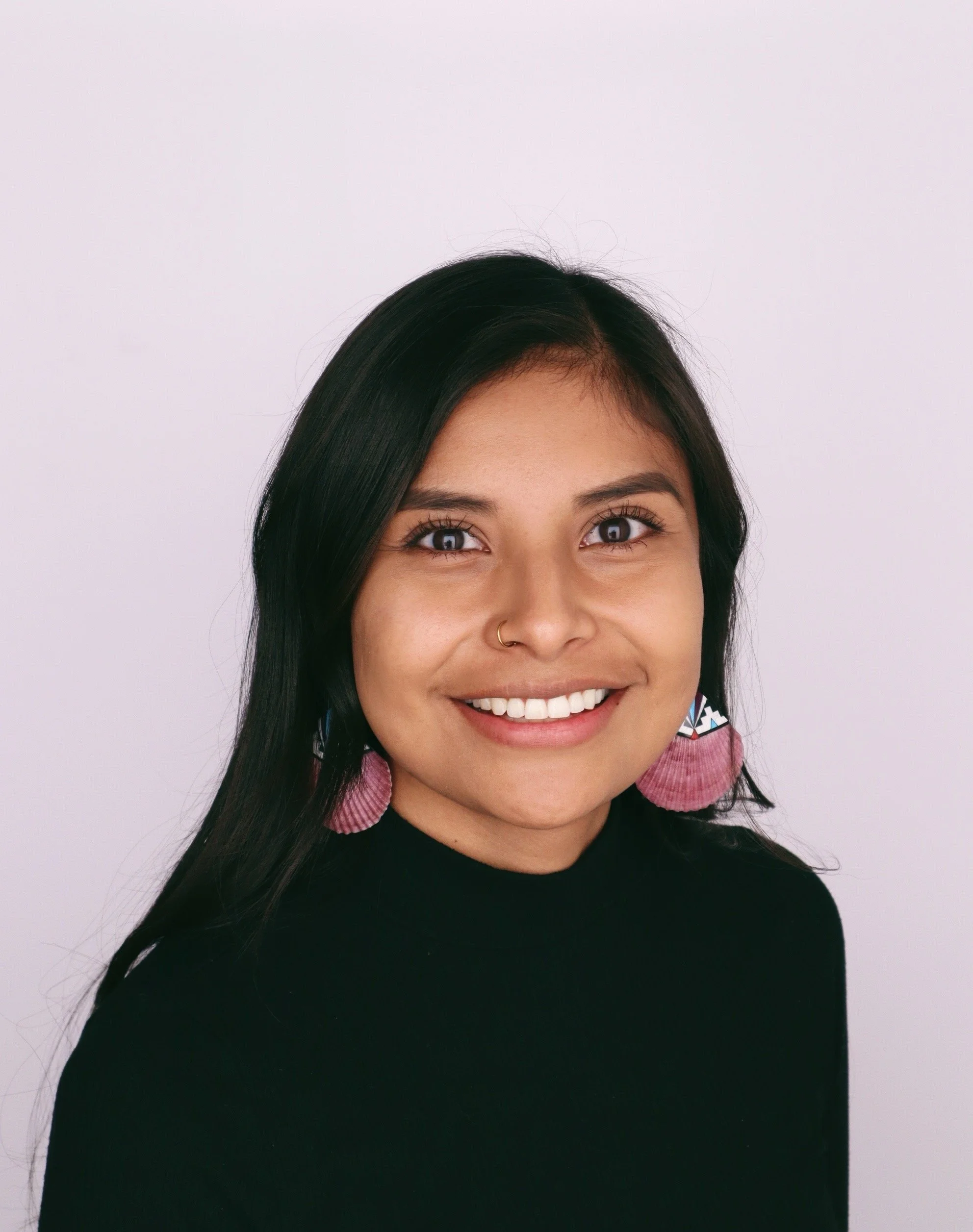 McKayla Tsabetsaye
MSW Practicum Student Intern | Supervised | New Mexico State University
Indigenous and culturally responsive mental health care; trauma-informed practice; children, adolescents, and families
Read profileClose profile
 MSW programNew Mexico State University
McKayla Tsabetsaye is a Master of Social Work practicum student intern completing her supervised clinical training with Umoja Behavioral Health. She is currently pursuing her MSW at New Mexico State University and has a background in psychology. McKayla is drawn to social work through her interest in supporting individuals and communities while continuing to grow her skills in culturally responsive and trauma-informed care.
McKayla is developing her experience working with individuals from diverse cultural and community backgrounds. Her professional interests include working with Indigenous communities, children and adolescents, families, and other populations that may experience barriers to accessing mental health services. She is especially interested in how culture, family, community, identity, and lived experiences can influence mental health and a person's experience with care. As a student intern, she continues to build her clinical skills through supervised practice, training, and ongoing learning.
McKayla approaches care by creating a space where clients feel heard, respected, and comfortable sharing their experiences at their own pace. She believes it is important to understand each person as an individual rather than making assumptions based on their background or experiences. Culture, identity, family, community, and personal values can all play an important role in a person's well-being. Her developing approach emphasizes listening to clients, recognizing their strengths, and involving them in decisions about their care and goals.
As part of her graduate education and supervised practicum, McKayla is continuing to learn about different theories and approaches used in behavioral health practice. Her training has included exposure to trauma-informed care, strengths-based and person-in-environment perspectives, cognitive behavioral approaches, and culturally responsive models of care. She is also expanding her understanding of approaches that consider relationships, family, community, and culture as important parts of overall well-being. These remain areas of ongoing study and supervised skill development.
McKayla is also beginning to learn about Belief Systems Analysis (BSA), associated with the work of Linda James Myers and Optimal Psychology, through her practicum experience. She is developing her understanding of how belief systems and worldviews may influence the way people understand themselves, their relationships, and their experiences. She is also becoming familiar with the accompanying 31-item Belief Systems Analysis Scale (BSAS). Her current experience with BSA and the BSAS is educational and supervised, and she does not represent herself as independently trained or qualified to administer or interpret the assessment.
McKayla understands that reaching out for support can look different for every person. As a student intern, she hopes to provide a welcoming and respectful environment where clients feel comfortable being themselves and discussing what is important to them. She looks forward to working alongside clients while continuing to learn and grow under supervision.
Begin intake with McKayla Tsabetsaye by clicking here.
Maria Elena Navarro
MSW Practicum Student | Supervised
Group facilitation, adolescent support, grounding, and collaborative care
Read profileClose profile
MSW programNew Mexico State University
Maria Elena Navarro is a Master of Social Work practicum student at Umoja Behavioral Health. Maria Elena's professional background includes behavioral health experience and work connected with refugee and resettlement services. Supervised clinical training brings those earlier experiences together with continued learning about assessment, relationships, and culturally responsive care. Maria Elena’s current practicum term runs from August 19 through December 11, 2026.
Maria Elena is interested in helping people feel more comfortable naming what they are experiencing. Someone may be coping with stress, worries, relationship difficulties, intrusive thoughts, or changes that are hard to make sense of. They believe it is important to begin by asking what matters to the person, what has already been tried, and what kind of support they hope to receive. Clear questions, careful listening, and respect for personal choice can make it easier to work together.
One of their areas of prior experience is group facilitation with adolescents in behavioral health settings. Maria Elena has used check-ins, discussion prompts, guided reflection, and affirmations to help participants consider their thoughts and experiences. They are also interested in accessible grounding practices, including breath awareness and gentle ways of bringing attention to the present moment. These activities should be offered with appropriate choice and attention to the needs of participants, rather than assumed to be comfortable or suitable for everyone.
At Umoja, Maria Elena is strengthening their skills in documentation, intake, group planning, and supervised clinical engagement. They are learning to link the activities used in a session with a clear purpose and to seek guidance about which approaches fit a person's needs. They are interested in approaches that allow room for both practical coping and reflection about meaning, beliefs, and relationships.
A central part of their current learning is Belief Systems Analysis (BSA) and the associated 31-item Belief Systems Analysis Scale (BSAS). These tools draw on a whole-person interest in worldview and are informed by Optimal Psychology and the scholarship of Linda James Myers. Maria Elena is continuing to learn how to interpret the framework and how its questions may be integrated with other clinical approaches. Maria Elena studies BSA and its integration with other approaches through clinical supervision.
When planning a group, Maria Elena thinks about the practical steps that make participation possible: a welcoming introduction, clear expectations, opportunities to check in, and activities that connect to the group's purpose. They are interested in helping people find words for experiences that feel overwhelming without requiring anyone to disclose more than they wish. Breathing and grounding can sometimes support attention and comfort, but people should be able to opt out or choose a different form of participation. Their goal in supervised group development is to make these considerations explicit and to continue learning from participant and supervisor feedback.
Maria Elena's interests also include the collaborative possibilities of group work: hearing different experiences, noticing shared concerns, and developing meaningful conversations. Prospective clients can ask Umoja about previous experience, the supervised student role, and services currently available. Clinical responsibilities and referral availability are confirmed through the intake process.
Begin intake with Maria Elena Navarro by clicking here.
 Rhiannon Barela, MBA
MBA | MSW Clinical Intern, Supervised | New Mexico Highlands University
Children, adolescents, families, attachment, and trauma-informed care
Read profileClose profile
MSW programNew Mexico Highlands University
Rhiannon Barela, MBA, is a supervised clinical intern at Umoja Behavioral Health and a Master of Social Work student at New Mexico Highlands University. Rhiannon holds a bachelor’s degree in psychology and a Master of Business Administration. Their work is guided by an interest in helping people recognize their worth, resilience, and capacity for healing.
Rhiannon’s professional experience includes work with children, adolescents, and families navigating trauma, behavioral challenges, emotional dysregulation, family conflict, and life transitions. Their background includes education, teaching, restorative justice, and Multisystemic Therapy. These experiences inform an understanding of how relationships, environments, and early experiences can shape development. Areas of particular interest include attachment difficulties, childhood trauma, grief, identity development, and emotional regulation.
Rhiannon’s approach emphasizes compassion, authenticity, cultural humility, and respect for each person’s lived experience. They want clients to feel seen, heard, and understood. Their work as an educator and developing clinician has encouraged attention to the ways survival demands can affect a person’s opportunities for growth. Rhiannon aims to offer a supportive, nonjudgmental environment in which people can explore emotions, relationships, and identity at a pace that respects their needs.
Collaboration, self-determination, and the strengths people already possess are important to Rhiannon’s developing practice. People bring more to counseling than the difficult circumstances that prompt them to seek support. Rhiannon is interested in making room for the person’s own understanding of their experiences, the relationships that matter to them, and their hopes for change. Supervised clinical learning provides opportunities to connect these priorities with assessment, feedback, and continued skill development.
Their developing clinical approach is informed by trauma-informed care, strengths-based practice, ecological systems theory, and family systems perspectives. Rhiannon is especially interested in attachment theory and Internal Family Systems (IFS), including how early relationships, protective responses, and unmet emotional needs influence a person’s sense of self and connections with others. Their experience with Multisystemic Therapy has strengthened their attention to relational and environmental influences on behavior. They are also studying cognitive behavioral therapy (CBT) and dialectical behavior therapy (DBT) through their continuing training.
At Umoja, Rhiannon is beginning to explore Belief Systems Analysis (BSA), developed by Linda James Myers, and its accompanying 31-item Belief Systems Analysis Scale (BSAS). Their familiarity is introductory. They are interested in how cultural worldviews, personal beliefs, and lived experiences influence identity, relationships, and healing, and in developing this understanding through a culturally responsive lens and supervision.
Rhiannon welcomes people who are navigating difficult experiences, exploring identity, or seeking personal growth. Their invitation is to begin a conversation grounded in compassion, curiosity, encouragement, and respect. Clients can ask questions about the supervised intern role and discuss what support would be useful as they consider their next steps.
Begin intake with Rhiannon Barela, MBA by clicking here.
Worldview belongs in the conversation.
Many Umoja clinicians and students study Belief Systems Analysis (BSA), the accompanying 31-item Belief Systems Analysis Scale (BSAS), and Optimal Psychology, drawing on the scholarship of Linda James Myers. These perspectives invite reflection on beliefs, relationships, identity, and personal meaning.
Contact Umoja to learn about services, clinician availability, and the next step in care.
Contact UmojaIf you have questions or would like more support in finding a therapist right for you click this button below!